Wed, Thu, Fri, Sat: 9am - 6pm
.jpg)
Earwax Removal in Freehold, NJ
Safe, professional earwax removal in Freehold, NJ and Monmouth County to help relieve blocked ears, muffled hearing, and discomfort caused by excess wax buildup.
Earwax Removal
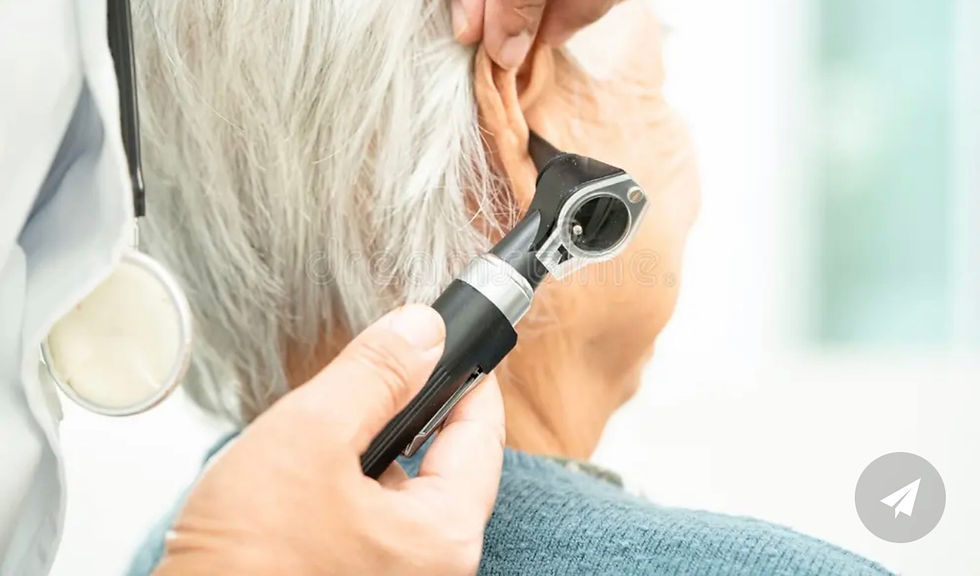
Earwax, also called cerumen, is a natural part of ear health and helps protect the ear canal. However, excessive earwax buildup can sometimes cause muffled hearing, ear fullness, discomfort, tinnitus, or difficulty wearing hearing aids. Professional earwax removal offers a safe and effective way to clear the ear canal when wax becomes impacted or begins interfering with hearing and comfort.
At Haynie Audiology in Freehold, NJ, earwax removal may be performed using microsuction, water irrigation, and/or manual removal, depending on the amount and location of the wax, your ear health, and your comfort. Each method is designed to safely remove wax while helping protect the ear canal and eardrum.
Earwax can vary in appearance, ranging from light yellow to dark brown, and this is often completely normal. However, if you experience symptoms such as muffled hearing, tinnitus, ear fullness, earache, or a blocked sensation in the ear, you may benefit from a professional ear examination.
Symptoms of Excess Earwax Buildup
Common symptoms of excessive earwax may include:
-
Tinnitus, such as ringing or buzzing in the ears
-
A sensation of fullness or pressure in the ear
-
Ear discomfort or earache
-
Difficulty wearing or hearing clearly through hearing aids
The Earigator® — Advanced Earwax Removal at Haynie Audiology
At Haynie Audiology we use the Earigator® cerumen management system as our primary irrigation method for appropriate cases. It is one of the more advanced earwax removal devices available in audiology.
The Earigator® was designed by an Otologist (an ear surgeon) and combines the functions of an otoscope and an irrigation system in one automated device. Here is how it differs from traditional syringe irrigation:
Temperature-controlled irrigation
Water is automatically held at 37°C, your body temperature. Room-temperature or poorly warmed water can cause vertigo, a sudden, disorienting dizziness caused by the temperature difference stimulating the balance system. Body-temperature water greatly reduces that risk. If the water temperature drifts from its set point, the device shuts off automatically.
Pressure-controlled delivery
Irrigation pressure is held at 0.8 bar (about 12 PSI), within the range generally considered safe for ear canal irrigation. This allows stubborn, impacted wax to be removed without the risk of uncontrolled pressure on the eardrum. An automatic shutoff engages if pressure goes out of range.
Built-in LED visualization
Illumination and magnification let Dr. Haynie see inside the ear canal throughout the procedure, confirming that the wax is completely cleared and watching the canal and eardrum as she works.
Fast and comfortable. The procedure typically takes three to five minutes per ear. Most patients describe it as comfortable and notice clearer hearing right away.
Book an Appointment HERE to come get "Earigated" at our ear spa

Who Is at Higher Risk for Earwax Buildup
Earwax buildup is more common in certain groups. Hearing aid users tend to produce more earwax. A device in the ear canal can stimulate the glands that make cerumen, and wax can clog microphones, receivers and sound ports, noticeably reducing performance. If your hearing aids sound weaker, muffled or distorted, wax is one of the most common causes and one of the easiest to fix. We recommend that hearing aid users have their ear canals checked professionally every three to six months, even without symptoms, to catch buildup before it affects the devices.
Older adults naturally produce drier, harder earwax that is more likely to become impacted. Individuals with narrow or curved ear canals, those with a history of ear surgeries or perforations, and patients who use earbuds or in-ear headphones frequently are also at higher risk. If you notice your hearing aids sounding muffled or weaker, earwax buildup is often the cause.
How We Remove Earwax — The Methods Explained
Not all earwax is the same, and not all ears are the same. After a thorough otoscopic examination, Dr. Haynie chooses a method based on the amount, consistency and location of the wax, and on your ear anatomy and health history.
Earigator® irrigation: Temperature- and pressure-controlled water irrigation that flushes the ear canal. Best suited to soft or moderately impacted wax when the eardrum is confirmed intact. It gives immediate results and is the most comfortable method for most patients.
Microsuction: A gentle suction device removes wax directly from the canal under magnification, without introducing water. This works well for patients with a history of ear surgery, ear tubes, or a perforated eardrum, or those who have reacted badly to irrigation before. It is also used when wax sits close to the eardrum.
Manual removal (curettage): A small curved instrument called a curette loosens and lifts wax out of the canal. It is often combined with irrigation or suction for firm, impacted wax, or used for wax in the outer canal where direct removal is straightforward.

Why Professional Removal Is Safer Than At-Home Methods
Many patients attempt to manage earwax at home using cotton swabs, ear candles, or over-the-counter irrigation kits. Cotton swabs in particular are one of the most common causes of earwax impaction — rather than removing wax, they typically push it deeper into the ear canal where it becomes more compacted and harder to remove. Ear candles carry burn risks and have no clinical evidence supporting their effectiveness.
Professional removal is the better choice when:
-
You notice muffled hearing or a sudden change in hearing
-
You have ear pain, pressure, or a blocked feeling that isn't clearing
-
Your tinnitus is new or has gotten worse
-
Softening drops haven't helped after several days
-
Your hearing aids sound weak, distorted or muffled
-
You have a history of a perforated eardrum, ear surgery or ear tubes, in which case home irrigation isn't safe
-
You can see dark, firm wax at the opening of the ear canal
When in doubt, a professional check is the safer path. An otoscopic exam takes just a few minutes and shows whether wax is present and whether it needs to be removed.
A note on ear candling: Ear candling is the practice of placing a hollow, cone-shaped candle in the ear canal and lighting it. There is no good clinical evidence that it removes earwax, and the U.S. Food and Drug Administration has warned consumers against it. The risks include burns to the face, ear canal and eardrum, wax dripping into the canal, and the risk of fire. If you've been thinking about ear candling, professional removal is a safe, evidence-based alternative.
What to Expect During Your Appointment
Earwax removal at Haynie Audiology is straightforward and typically completed within a single appointment. Dr. Haynie will begin by examining both ear canals with an otoscope to assess the amount and location of wax and confirm the eardrum is healthy. Based on that assessment she will select the most appropriate removal method — microsuction, irrigation, or manual removal — or a combination.
Most patients experience immediate relief following the procedure, including improved hearing clarity, reduced fullness, and resolution of any associated tinnitus caused by the blockage. In some cases where wax is particularly impacted, a softening agent may be recommended before or between appointments.
Haynie Audiology provides professional earwax removal in Freehold, NJ for patients throughout Monmouth County, including Manalapan, Marlboro, Howell, Colts Neck, Englishtown, Jackson, and surrounding communities.
Can't make it to our office in Freehold, NJ for earwax remove? We can come to you. Learn more about our in-home audiology services.